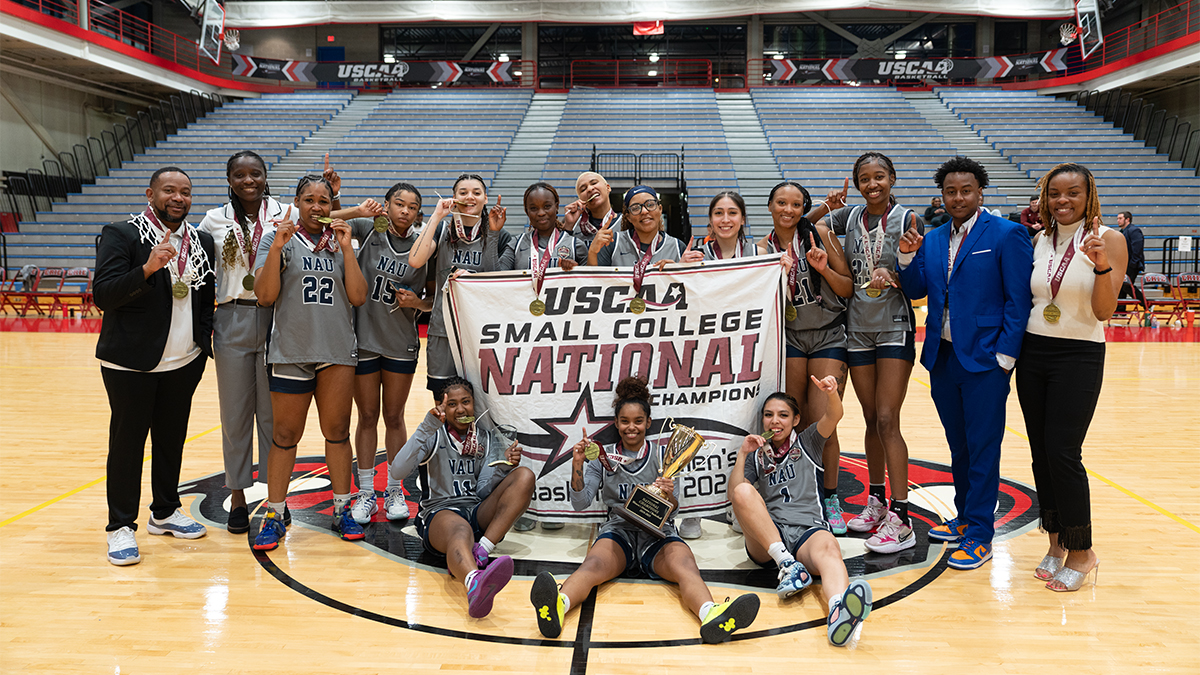


Choosing a college is a significant milestone for any student, especially when trying to find an institution that offers the right combination of academic strength and athletic opportunity to support their goals. Sometimes, smaller institutions are the better choice, offering more balance, more opportunities, and a close-knit community. Enter the United States Collegiate Athletic Association (USCAA).
“From my perspective, the USCAA is compelling because it hits a sweet spot between higher education and college athletics that a lot of student athletes are actually looking for,” said BJ Bertges, CEO of the USCAA. “It’s all about the comfort and support of a small college, with small class sizes and the opportunity to continue their playing careers in the sports they love.”

BJ Bertges
CEO, United States Collegiate Athletic Association (USCAA)
For many students, they can find this perfect balance between academics and athletics at institutions affiliated with the USCAA, which provides a platform for small colleges and universities as well as their student-athletes to thrive, on the competition surface, in the classroom, and in their communities.
A balanced approach
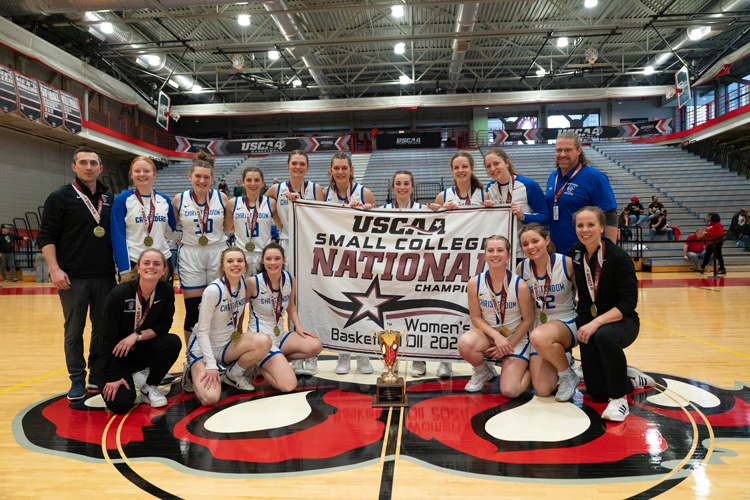
Currently, the USCAA has nearly 80 member institutions who compete, within a divisional structure, for National Championships each season. In the 2024-25 academic year, the Associations’ Small College National Championships featured 2,200+ student athletes from 55 different member institutions representing a staggering 78% of the membership.
As Bertges points out, “This is an association where you can develop your game, and still have the time and space to succeed in the classroom and prepare for life after sports. […] For high school athletes and transfers who want to compete, grow, belong, and be seen — without losing sight of why they came to college in the first place — a USCAA member institution is a really powerful option.”
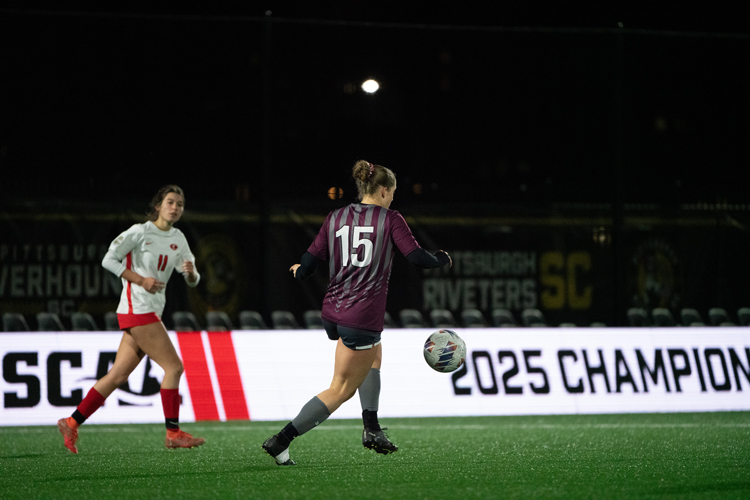
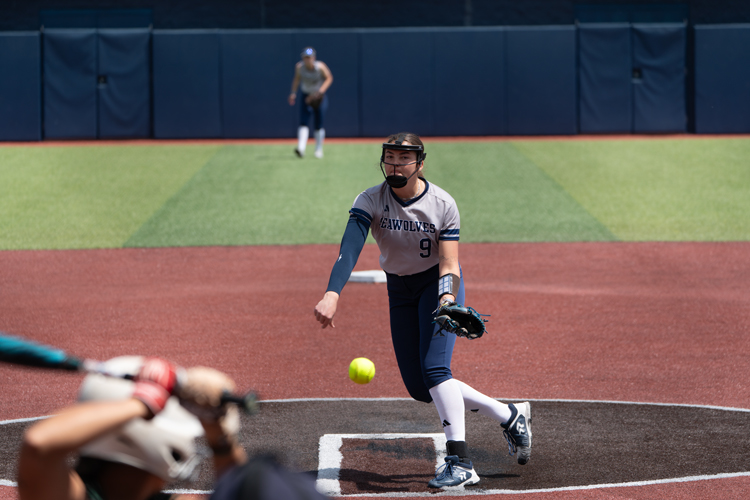
Student-athletes have the opportunity to compete in the following USCAA championship sponsored sports: baseball, basketball, cross-country, golf, soccer, and outdoor track-and-field for men; basketball, cross-country, soccer, softball, volleyball, and outdoor track-and-field for women. Additionally, there are several emerging sports including but not limited to women’s golf and esports.
While there are a variety of National Associations for college sports, Bertges notes, “Much like student-athletes need to find the college or university that fits their goals, colleges and universities deserve to find an association that helps them meet their goals — and offers the appropriate fit.” The USCAA takes pride in its student-centered approach, placing the student-athlete at the heart of every decision and initiative; championing their development on the competition surface, in the classroom, and in life so they are prepared to enter the next chapter with the skills necessary to succeed.
A boost for women in sports
Notably, Bertges is the first female CEO of a governing body in college athletics and previously served as both a coach and athletic administrator at USCAA member institution, Penn State Beaver. As such, she is particularly well-positioned to address matters of access and recognition for both female administrators and female athletes who may find a lack of opportunity in bigger organizations.
“For many women, the main barrier in college athletics isn’t talent — it’s access,” Bertges said. “From an administrative standpoint, we welcome the opportunity to have our athletic directors and coaches work with our national office staff via seats on various committees, advisory councils, and the Board of Directors (of which our current president, Jennifer Laney, Ph.D., is also a woman).” Bertges notes that Board president Jennifer Laney, Ph.D., is also the first woman to serve in such a role within the USCAA.
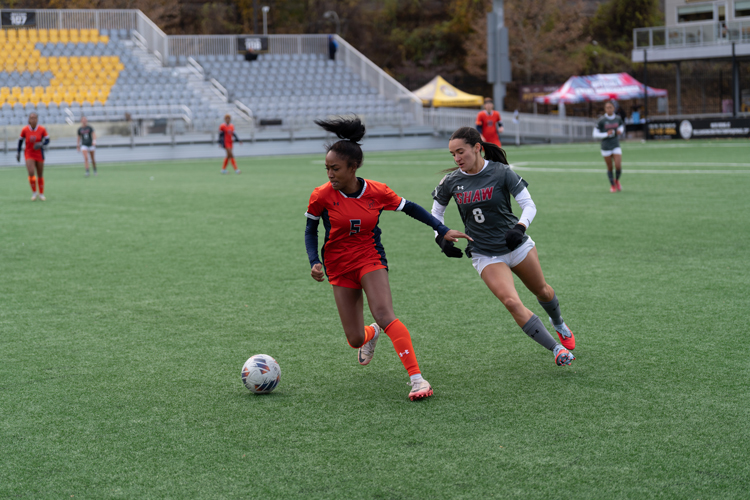
Bertges enumerates the many benefits of participating in athletics with the USCAA (which apply to women and men equally): confidence and self-advocacy, leadership development, networking and mentorship, along with positive, long-term outcomes.
Referring to prospective students, Bertges says: “You deserve a college experience where you are seen as a person and not a number — both in the classroom and on your team’s roster. Since USCAA institutions are smaller, this is generally the case for our student-athletes. You’ll have the chance to compete for championships, travel, wear your institution’s name with pride, and be part of something bigger than yourself.”
