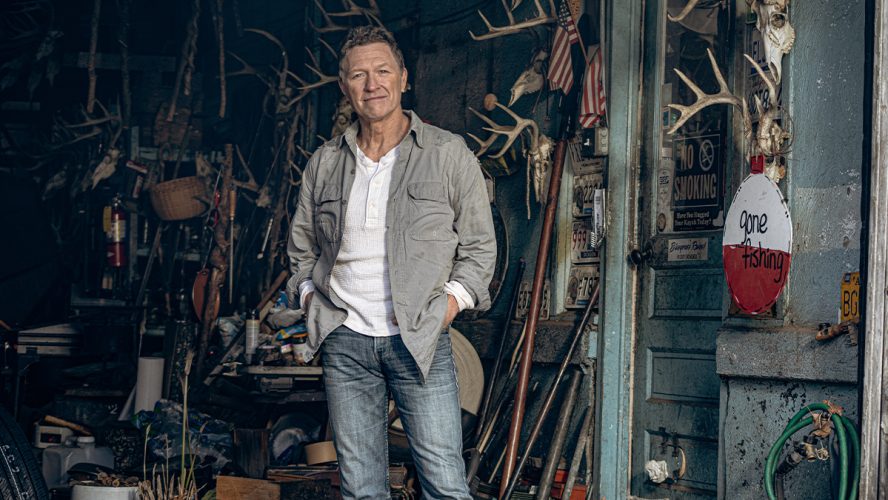
United States Army veteran and country singer Craig Morgan works closely with military families to access important programs, including education and employment, and critical mental health services that save lives.
You’ve long been vocal about the unique struggles veterans face after service, from mental health challenges to navigating civilian life. From your perspective and personal experience, what are the most urgent problems our veteran community is facing today that still aren’t getting enough attention?
Man, that’s difficult, because there are quite a few. I think the biggest struggle is ensuring that, when our veterans come home, they’re given adequate time to reacclimate themselves. That involves the community at large in their efforts as well. And I think there’s a lot of great organizations that are trying to help veterans do that.
But when you come from a deployment — a combat deployment in particular — there’s a different energy, there’s a different expectation of things that they have to deal with that in civilian society just don’t exist. So I think the biggest thing is ensuring that our community is assisting the military in any way possible to provide them with adequate resources, time, and whatever else is needed for them to attempt to reenter back into civilian society.
You’ve put significant effort into raising awareness for veteran mental health and suicide prevention. What challenges have you seen firsthand that make addressing these issues so difficult? And where do you feel additional support or resources are most needed?
Communication. That’s the biggest thing. It’s hard for someone who has not experienced a combat environment to understand the conversation. We need more military combat veterans, psychologists, psychiatrists, and people in that arena, and we also need to assist in destigmatization — the thought process that goes, “I’m [just] having a bad day.”
I think the military and their restructuring of the way they’re looking at suicide prevention is is going to help for sure. They’re making it easier for someone to talk about it without the fear of not being able to continue to.
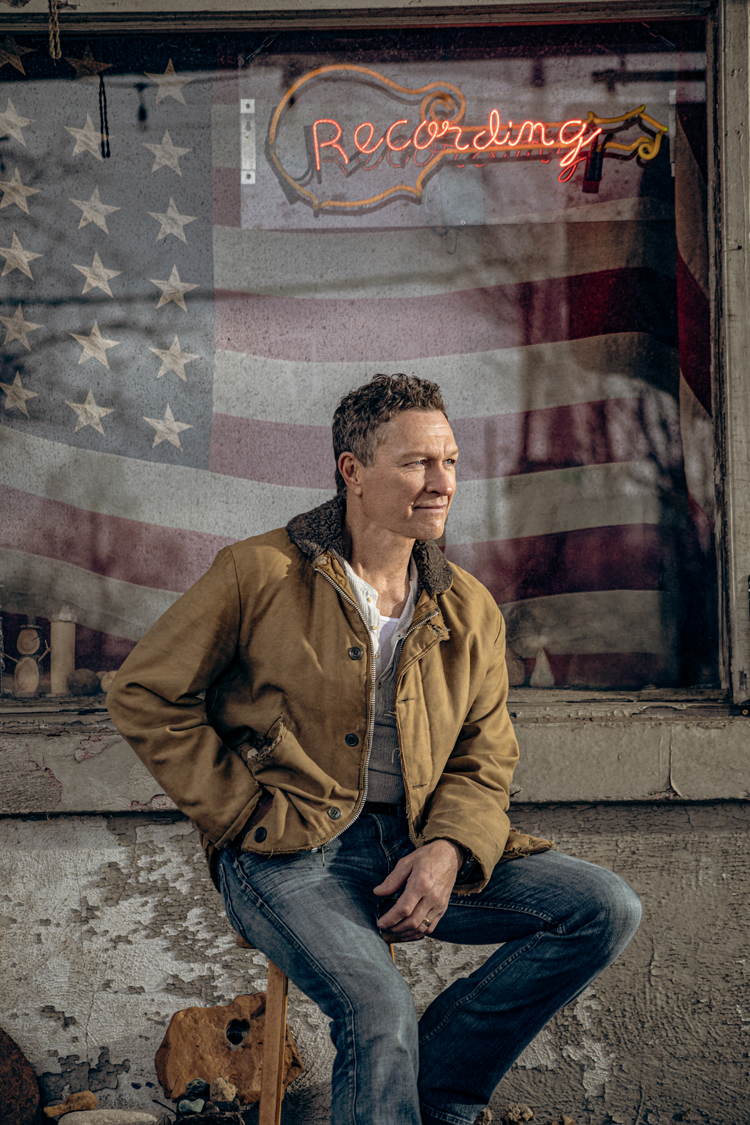
As someone who works closely with military families, what kinds of support, partnerships, or community initiatives do you believe can make the biggest impact?
Well, I think one of the biggest things are the family programs that the military has. This is really critical. It’s not that their programs and the assistance are not there, it’s that the families really don’t utilize them. I think it’s very important that these families work together, that they go to these family meetings and that they utilize the resources that are available. What can people do to help with that? Again, the local community — not just the military community — but the local community where these military families live.
Transitioning from military to civilian life remains one of the toughest hurdles for many service members. Based on your work with veterans, what gaps still exist in education, employment, or skill-building support? Can you highlight one and how could these gaps be addressed?
Education is probably the one key element that I think is most important. When a soldier comes in, they don’t necessarily get the civilian-equivalent education and arenas that would apply in a civilian occupation. Now they do receive education in those areas and elements of social skills that are much more important than, I believe, even education.
As leadership skill says, you can take an E4 and E5, a young surrogate, and he’s received more leadership training than most people that have been in an occupation for 10 years. So I think what’s really important is that these young men and women — when they’re in the service and prior to getting out — apply themselves in an area that they’re interested in and get the education that they need for that particular skill set, because they already have others.
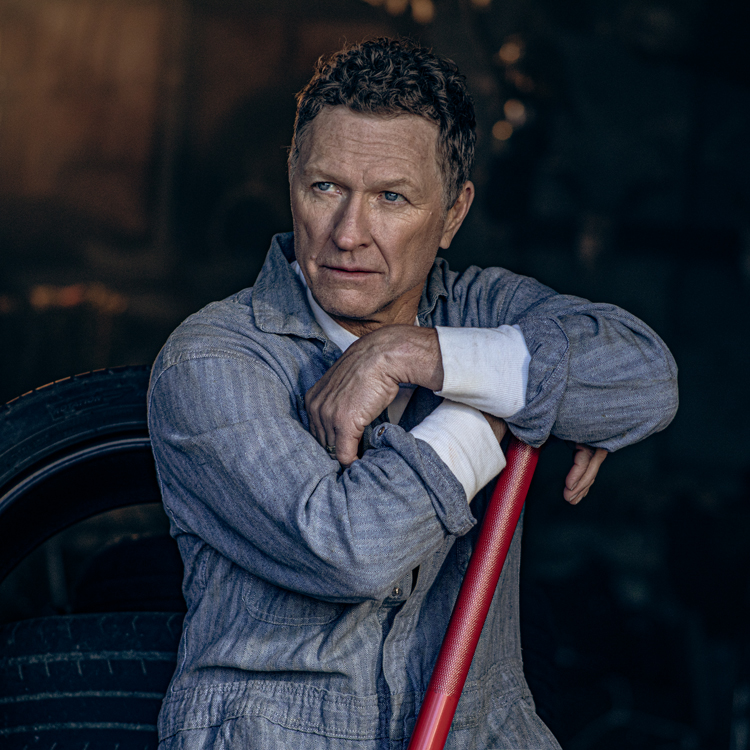
Your advocacy often emphasizes that supporting veterans shouldn’t fall on the government alone — it requires a community effort. What would you say to companies, organizations, and everyday Americans about why their involvement is essential? And what meaningful roles can they play in being part of the solution?
Many corporations and companies, especially those that hire a large percentage of military personnel, will tell you better and more so than I can that those personnel bring with them a sense of loyalty, devotion, and dedication that is much greater than that of the average citizen. So it’s extremely important for those businesses to understand that in hiring these men and women, you’re not just getting an employee.
Let’s say I’m a mechanic. It’s not just that you’re a mechanic who went through mechanic school. And again, I’m not knocking the civilian education populace, but you take a military mechanic — he’s a great mechanic — but he also has a desire to excel. He has loyalty. He has a show-up-on-time attitude that a lot of the civilian populace just don’t have.
