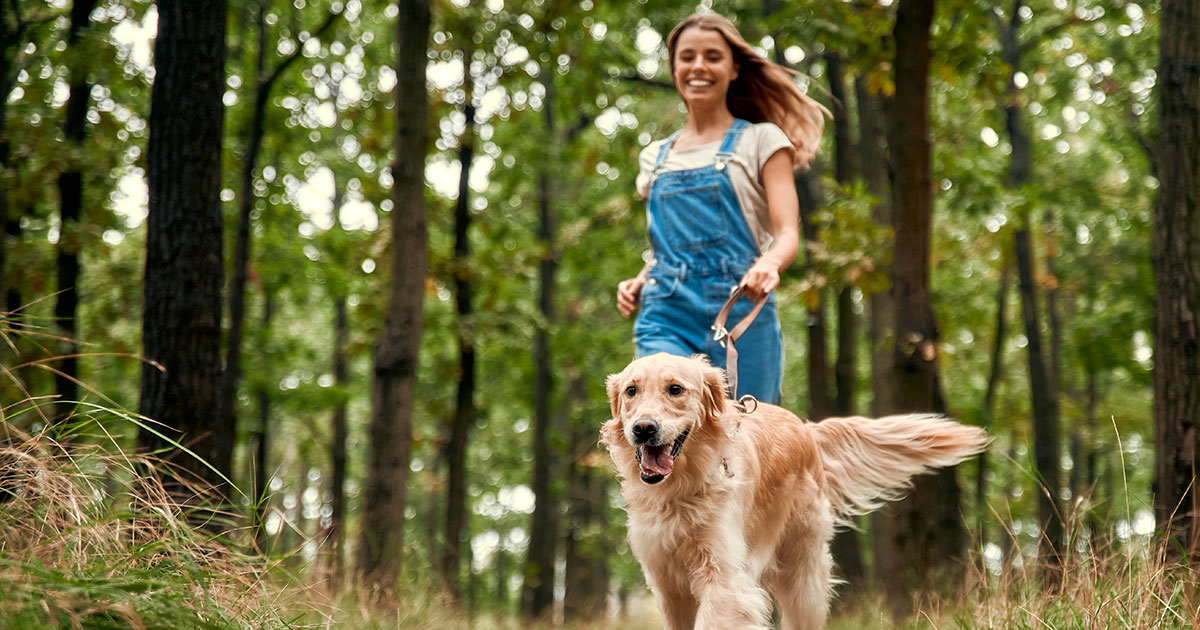
Summer with your dog means getting outside, and hiking is a great activity to take up with your dog, but it requires thoughtful preparation to keep your pup safe.
The American Kennel Club encourages dog owners to approach outdoor activity with both enthusiasm and caution, recognizing that warmer temperatures in the summer introduce very real health risks for our canine companions.
Start with a vet visit
Before heading out, take your dog to your vet for a checkup. Age, breed, fitness level, and any underlying health concerns all play a role in determining what your dog can safely handle. Some dogs are well-suited for longer, more strenuous hikes, while others may benefit from short walks. Be sure to tell your veterinarian your intentions before increasing your dog’s activity level.
Time the hike right
Timing your hike is also a very important decision. Dogs are not as efficient as humans at regulating body temperature, which puts them at greater risk for heat-related illness. You should plan to hike in the early morning or later in the evening. Avoid peak heat hours when temperatures and humidity are at their highest. Always remember to acclimate your dog when planning the duration of your hikes. Start with shorter and easier distances and work up to longer trails and hikes.
Hydration is critical
Bring bottled water along with a portable bowl and offer it regularly throughout the hike. You should not allow your dog to drink from streams, ponds, or lakes, as these sources may contain bacteria, parasites, or harmful algae that can lead to illness.
Protect those paws
Pay attention to your dog’s paws. Hot pavement, sand, or rocky terrain can quickly cause burns or abrasions. A simple rule to follow: If the ground feels too hot for your hand, it’s too hot for your dog. Protective booties or paw balms can provide an added layer of protection in extreme conditions. After the hike, check your dog’s paws for any injury.
Know the warning signs
It’s also essential to recognize the signs of heat-related illness. Look for excessive panting, drooling, lethargy, vomiting, or disorientation. They are all warning signs that your dog may be overheating. If you notice any of these symptoms, stop immediately, move your dog to a shaded or cooler area, and begin gradual cooling with water and seek veterinary care.
Practice good trail etiquette
Good trail etiquette is part of responsible dog ownership. Keep your dog leashed unless you are in a designated off-leash area, and remain aware of wildlife, other hikers, and other dogs. Always carry waste bags and clean up after your dog.
Finally, come prepared. Bring essentials such as a sturdy leash, up-to-date identification tags, and a basic pet first aid kit.
At the American Kennel Club, we believe that fun is an important part of your bond with your dog. With proper planning, hiking can remain a safe, healthy, and enjoyable activity for you both all summer long.
