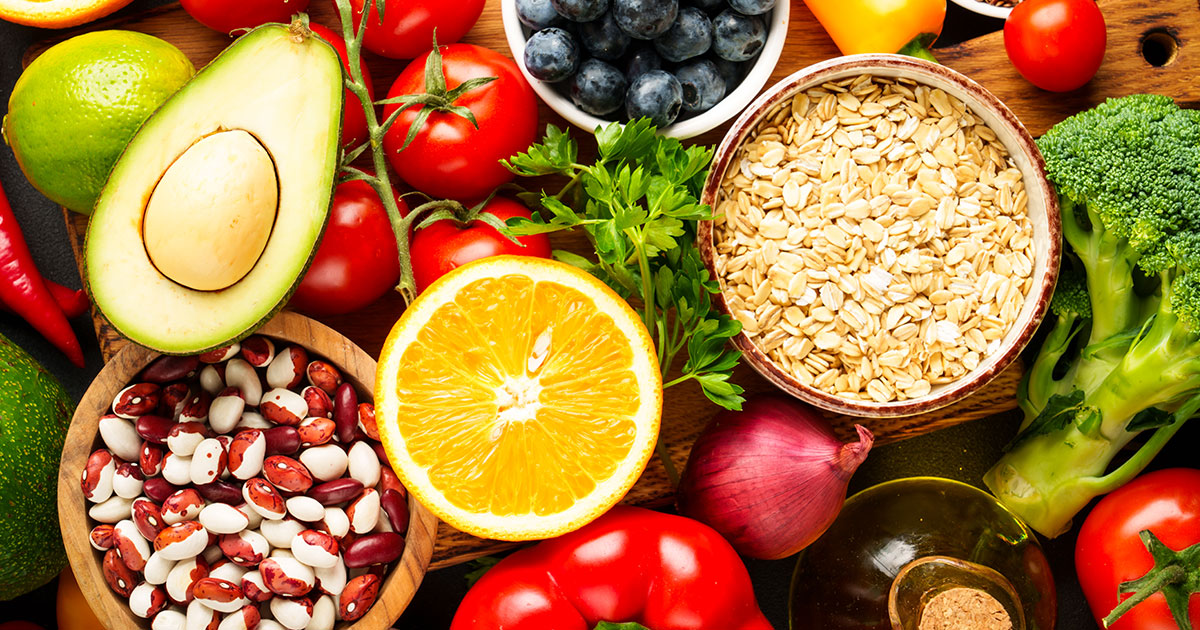
Breakfast offers a practical starting point for building healthier habits, where even small, repeatable changes can have a lasting impact.

Kayli Anderson
Fellow, American College of Lifestyle Medicine
For many Americans, breakfast is rushed, skipped, or built around convenience rather than nourishment. However, from a lifestyle medicine perspective, breakfast is the first opportunity of the day to support stable blood sugar, sustained energy, and better focus. The American College of Lifestyle Medicine (ACLM) identifies optimal nutrition as one of its core pillars, alongside physical activity, restorative sleep, stress management, connectedness, and avoidance of risky substances. ACLM emphasizes an eating pattern centered on whole, minimally processed, plant-predominant foods — i.e., vegetables, fruits, whole grains, legumes, nuts, mushrooms, and seeds — as the foundation for long-term health.
Why the first meal matters
A missed or unnourishing breakfast puts pressure on the rest of your meals throughout the day to meet your needs for important nutrients. Many Americans already fall short on fiber, potassium, and calcium. Meals built around fiber-rich carbohydrates, plant-based protein, and healthy fats digest more slowly, supporting steadier blood sugar and longer-lasting fullness. In contrast, breakfasts dominated by refined grains and added sugars can trigger spikes and crashes, leaving people hungry and fatigued by mid-morning. Such crashes are especially problematic for school children trying to learn.
Breakfast also offers a practical starting point for building healthier habits. Even small, repeatable changes can have a lasting impact. Over time, these shifts can support heart health, metabolic health, and help prevent disease.
Keep it simple
Importantly, a healthy breakfast doesn’t have to be elaborate. Lifestyle medicine focuses on progress, not perfection. Simple combinations can go a long way. A helpful formula is to pair fiber (such as oats or fruit) with plant protein (like soy milk, nuts, or seeds) and healthy fats (such as walnuts or avocado).
If you prefer to start with small, meaningful tweaks to your breakfast habits, consider cereal with at least five grams of fiber and add a handful of walnuts, pumpkin seeds, or berries. Or, add peanut butter and banana slices, or avocado and chia seeds, to a slice of toast. A granola bar paired with a handful of nuts and a piece of fruit is another simple option.
Family-friendly breakfast ideas
Other practical, family-friendly ideas include overnight oats with chia seeds, berries, and almond butter, which can be made ahead of time and portioned in grab-and-go containers. Regular oatmeal with bananas, walnuts, and flaxseeds is another option, as is whole-grain toast topped with avocado and hemp seeds. You might also try a smoothie with soy milk, frozen fruit, peanut butter, and a handful of baby spinach, or a tofu scramble served in a tortilla with veggies (possibly using leftovers from dinner), salsa, and avocado.
