Lisa Lillien, founder of Hungry Girl, shares how small, sustainable swaps make healthier eating feel approachable every morning.
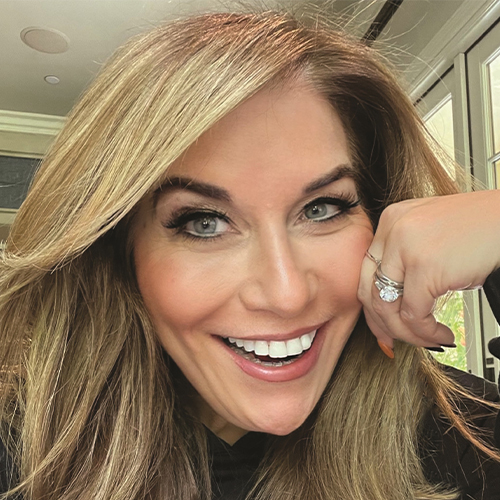
Lisa Lillien
Founder, Hungry Girl
You’ve spent years helping people navigate healthier eating habits. What first sparked your interest in making nutrition more approachable for everyday life
I started Hungry Girl because I love food — like, really love food — and I didn’t want to give that up in order to eat healthier. For a long time, it felt like the messaging around food was too restrictive and too “all or nothing.”
I realized that with a little creativity and some smart ingredient finds and swaps, you could make foods that feel indulgent but are actually lower in calories and better for you. Once I started sharing those ideas, people connected with them immediately. That’s when I knew there were a lot of people out there just like me who wanted realistic, enjoyable ways to eat well.
When you think about the role breakfast plays in someone’s day, what stands out to you the most?
Breakfast really is like your day’s opening act. It sets the tone. If you start the day with something satisfying, especially something with protein and fiber, it can make a huge difference in how you feel for the next several hours and even the choices you make for the rest of your day.
Breakfast doesn’t have to be elaborate. Even something simple and quick can keep you energized and help prevent a mid-morning crash where suddenly you’re starving and reaching for whatever is nearby.
Many people struggle to prioritize food in the morning. From your perspective, what are some of the biggest barriers that make mornings challenging?
The number one issue is time. Mornings are hectic for a lot of people, so food can get pushed down the priority list.
The other thing I see a lot is people just not knowing what to eat. When you don’t have a few easy go-to options, it’s very easy to just skip breakfast or grab something that doesn’t really keep you full. That’s why I’m a fan of simple solutions — quick recipes (like my egg mugs), high-protein convenience foods (like Greek yogurt), or things you can prep ahead of time.
Through your work and conversations with your audience, what are some of the most common misconceptions and questions you see when people try to eat healthier?
To me, the biggest misconception is that healthy eating has to be all or nothing. People think if they have one cookie, some fries, or one super indulgent meal, they’ve somehow ruined everything.
I always tell my audience that small changes add up. Swapping ingredients, adjusting portions, or finding lighter ways to enjoy your favorite foods can make a big impact. Healthy eating doesn’t have to be extreme; it just has to be sustainable.
How do you personally think about balance when it comes to building sustainable eating habits?
For me, balance is about making choices that feel good long-term. I never want to feel deprived, because that’s usually when things can backfire.
I focus on foods that are flavorful, filling, and satisfying, but I’m still mindful of calories and ingredients. If you can find ways to make meals that feel like treats but are actually pretty smart choices, that’s the best.
Looking ahead, how do you see the conversation around everyday nutrition evolving?
I think people are moving away from rigid rules and toward more realistic, flexible approaches. Instead of “good foods” and “bad foods,” the conversation is becoming more about how to make everyday meals work for your lifestyle.
People also want convenience. They’re looking for products, recipes, and ideas that help them eat smarter without spending hours in the kitchen. The future of nutrition is really about making healthy choices easier and more accessible for everyone.
