Up to 95% of Americans don’t get enough fiber, making breakfast a critical opportunity to close the gap.

Donna K. Arnett, Ph.D., M.S.P.H., B.S.N.
Past President, American Heart Association; Chair, Voices for Healthy Kids
When it comes to improving heart health, many people look for big, sweeping changes, but one of the most powerful opportunities happens every morning: breakfast.
After a night of fasting, your body is ready to refuel. A balanced, heart-healthy breakfast can help stabilize blood sugar, support energy, and set the tone for healthier choices throughout the day. For families, it can also build lifelong habits that support healthy growth and heart health. Yet too often, breakfast is skipped or replaced with ultra-processed options high in added sugars and sodium.
The fiber gap
One key nutrient most Americans are missing, especially at breakfast, is fiber. Research shows that about 90-95% of Americans are not getting enough fiber. This is a missed opportunity because fiber plays an essential role in heart health. It can help lower cholesterol, improve blood sugar control, and support a healthy weight. To get the right amount of fiber, the typical woman should aim for about 25 grams per day (based on a 2,000-calorie diet), while men should aim for about 38 grams (based on a 2,500-calorie diet), with slightly lower targets for adults over age 50.
Small choices, big difference
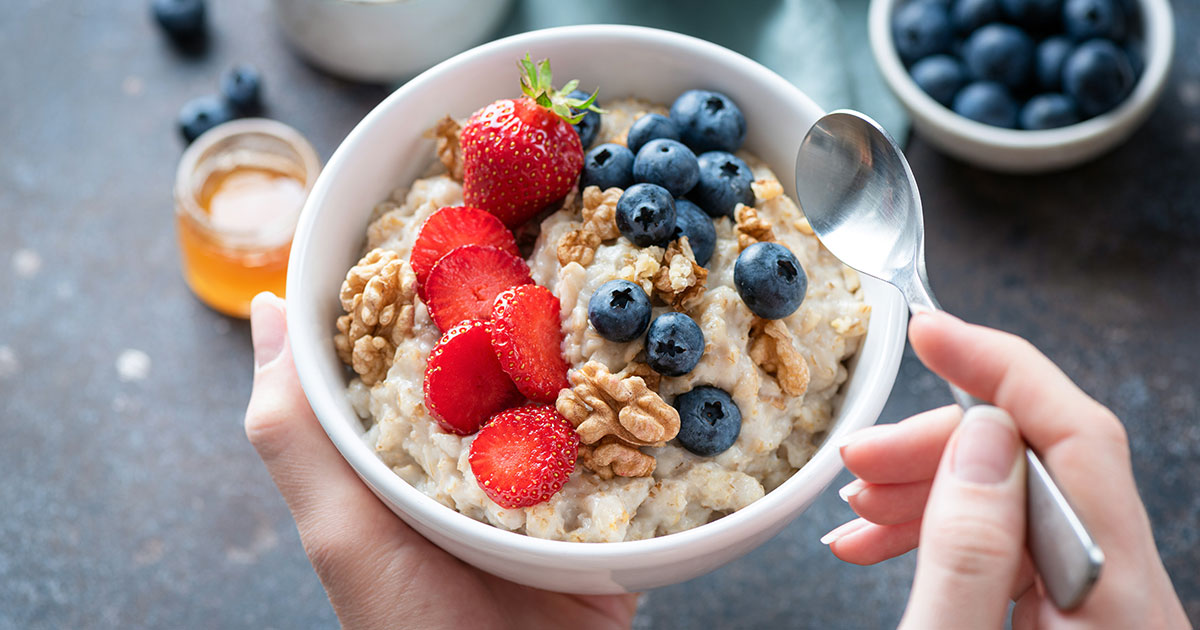
Breakfast is one of the easiest times to start closing that fiber gap. Simple choices can make a big difference. Oatmeal topped with berries and nuts, whole grain toast with avocado, or a smoothie blended with spinach, fruit, and flaxseed are easy ways to boost fiber early in the day. For example, one cup of cooked oatmeal has about four grams of fiber, and a medium apple has nearly five grams, meaning a few smart additions at breakfast can put you well on your way to your daily goal.
Build a balanced plate
Of course, fiber is just one part of the picture. The American Heart Association recommends building a balanced breakfast that also includes lean or plant-based protein, such as eggs, yogurt, beans, or nuts, to help you stay full. At the same time, limit added sugars and sodium, which are often hidden in popular grab-and-go options such as flavored yogurts, breakfast bars, and packaged pastries.
This approach aligns with the American Heart Association’s 2026 dietary guidance, reinforcing a flexible, plant-forward, minimally processed eating pattern grounded in the latest science to reduce cardiovascular disease risk and improve quality of life.
The good news is that heart-healthy breakfasts do not have to be complicated.
