Animal control officer are allies who save and support animals to create a better community for all residents, humans and pets.

Jerrica Owen
Chief Executive Officer, National Animal Care and Control Association
For generations, the phrase “dogcatcher” was used to describe animal control officers. The image was simple: a net, a truck, and a role focused almost entirely on removing stray animals from the streets. While that picture may have once reflected the work, it no longer captures the reality of today’s animal control officers, or the incredible impact they have on the communities they serve.
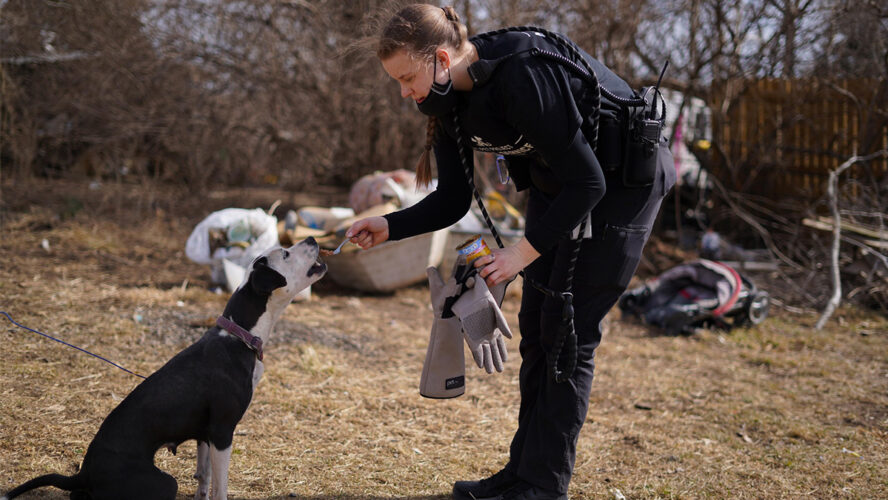
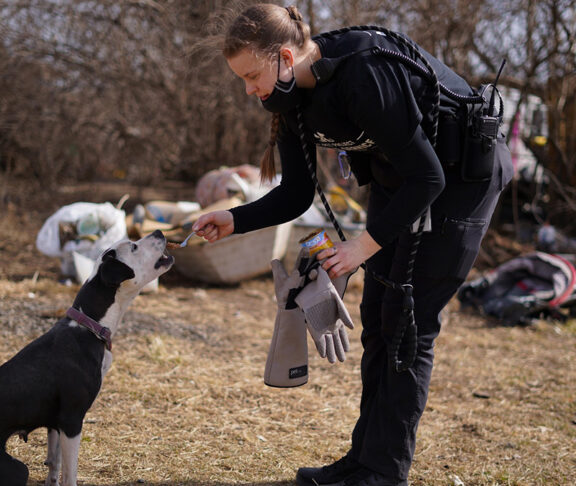
Modern animal control has evolved into a profession that blends public safety, community engagement, and animal welfare. These officers are no longer cartoon-style villains chasing after strays. Instead, they are trusted professionals bridging the gap between people and resources. Their work helps families stay together, neighborhoods remain safe, and animals find not just shelter, but a true chance at better lives.
Today’s animal control officers are often the first point of contact when community members need help. Whether responding to a call about a dangerous dog, assisting with a lost pet, or checking in on a family struggling to provide care, officers are problem-solvers. They are educators and share information with pet owners on licensing, vaccination, and spay/neuter programs. They help people access pet food pantries or affordable veterinary care. When tough choices arise, they are trained to use de-escalation and empathy before enforcement.
The unrecognized value of animal control officers
This is the shift that the National Animal Care and Control Association is leading in the United States — one that transforms how communities view the profession. Instead of being seen as someone to fear, animal control officers should be recognized as allies and neighbors who are dedicated to keeping both pets and people safe.
The responsibilities of animal control officers extend far beyond companion animals. Officers may handle livestock on highways, respond to calls involving exotic or wild animals, work along side first responders when animals are present, or support law enforcement during cruelty and neglect investigations. Their work protects families from dangerous situations, ensures animals are treated humanely, and upholds community standards.
But their role is not limited to crisis response. Officers are vital during disasters, helping rescue animals during floods, tornadoes, and hurricanes, and coordinating with shelters and volunteers to keep families intact. When animal control succeeds, communities are stronger, healthier, and more resilient.
Creating compassionate communities
To fully realize the potential of animal control, communities must continue to see these officers as partners, not punishers. The work requires compassion, training, and professionalism, and when those qualities are visible, trust follows.
The “dogcatcher” label belongs to the past. Today’s animal control officers are educators, advocates, and lifesavers. They ensure that public safety and animal welfare go hand in hand, and they do so not from the shadows, but side by side with the communities they serve.
As we move forward, it is time to celebrate and support this profession for what it truly is: an essential part of creating safer, more compassionate communities for both people and pets.
