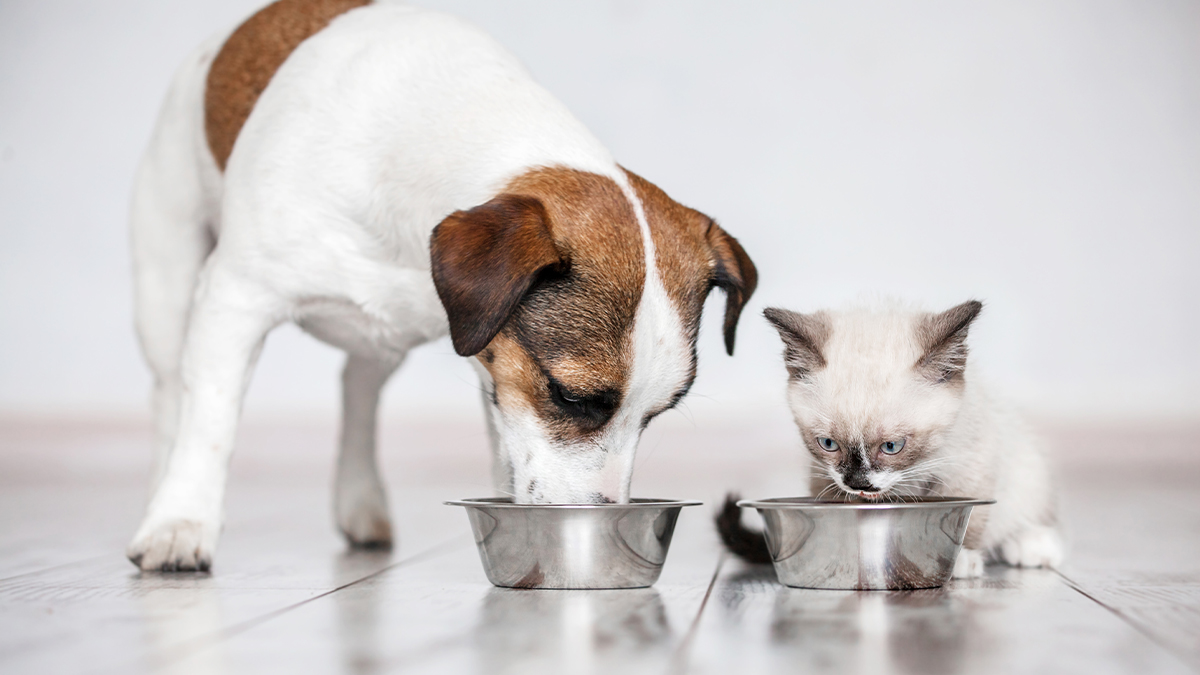

Water is the most essential nutrient for pets — full stop. But the traditional full bowl may not be enough to support optimal hydration.

Anne Marie Bakke
Global Nutrition Advisor, Waltham Petcare Science Institute
Fresh water is foundational, but hydration doesn’t have to come from the bowl alone. Emerging research shows that food can play a meaningful role in maintaining hydration levels, helping pets stay healthier through the heat of summer and beyond.
The hydration gap
One assumption many pet parents hold is that if the water bowl is full, pets will drink what they need. After more than three decades in veterinary medicine and pet nutrition, I can tell you it’s not that simple. Dogs and cats evolved from predators that got a significant portion of their daily moisture directly from food — prey that contained up to 80% water.
Today’s high-quality dry kibble is a major advancement in pet nutrition, supporting overall health, complete and balanced diets, and even oral and digestive wellness. At the same time, looking at how pets naturally consume moisture can help us better support their hydration needs as part of a complete feeding approach.
The real gap is in how we think about hydration. Many pet parents assume it happens primarily at the bowl, when in reality, our pets’ instincts were shaped by getting moisture through food.
The good news: better hydration doesn’t require a complete rethink. With simple adjustments, like adding moisture through diet, pet parents can keep dry food as a strong foundation and support hydration, especially in warmer months.
Why dehydration is easy to miss
Chronic, low-level dehydration isn’t immediately life-threatening. That’s exactly what makes it easy to miss. It’s a slow, creeping body stress exacerbated by warmer summer temperatures. Signs of low-level dehydration are subtle — lethargy or reduced stamina, dry skin and loss of skin elasticity, and changes in appetite or digestion — and easily mistaken for normal fatigue or aging.
Over time, chronic moisture deficit can be a factor in the development of urinary and kidney problems, including painful bladder stones and kidney disease, two common conditions treated in veterinary clinics today. Evidence suggests that these conditions occur more often during the summer.
A practical solution
That’s why nutrition scientists are advocating for a new approach known as “functional hydration.” It’s simple: hydration built directly into daily meals.
This approach complements the role of dry kibble within a balanced feeding routine. By combining dry food with moisture-rich options, meals become a proactive wellness routine.
“Mixed-feeding” is an easy and effective way to support a pet’s urinary tract, regulate body temperature and even aid in weight management.
The simple fix for better hydration
One of the simplest ways to close the hydration gap is by incorporating wet food or moisture-boosting mix-ins. Today’s options make that easier than ever. Mars — with brands including IAMS, SHEBA, CESAR, and PEDIGREE — offers a range of solutions designed for mixed feeding, from complete wet meals to broths and toppers. Products like PEDIGREE DRIZZLERS toppers add a boost of moisture with savory, meaty sauces, like chicken and beef, making it easy to support hydration without disrupting your routine.
Backed by research from the Waltham Petcare Science Institute, these options give pet parents practical, science-led ways to support hydration on their terms.
The bottom line
The goal isn’t to overhaul your pet’s routine. Simple additions, like moisture-boosting options, can meaningfully increase daily fluid intake.
While a full water bowl remains essential, what’s in the meal matters just as much. By thinking about hydration as part of how we feed, we can better support pet health for years to come.
For more information about Mars pet food brands and proper hydration, visit mars.com/our-brands
