Pet parents are increasingly turning to technology in their pet’s health journey, but it’s important to know the cons as well as the pros to ensure your furry friend receives the best care possible.

Jessica Vogelsang, D.V.M.
Chief Medical Officer, American Animal Hospital Association
“I asked ChatGPT.” “I Googled it.” “I checked Reddit.”
In an age where we have instant access to unlimited information, it’s easy to take to the internet when you notice a change in your pet’s health or behavior, and that’s not all bad. Lots of reputable veterinary professionals provide useful insights online, and those insights can help you better understand your pet’s health.
Unfortunately, there are also plenty of less-experienced folks sharing their thoughts on pet health online, which means there are serious limitations to what you can expect to learn from a quick search. If you’re keen to include more tech in your care plan, here’s what your vet wants you to know.
Pet health is individual
When your veterinarian examines your pet, they’re not just looking at a 7-year-old Labrador or a 3-year-old tabby. They’re looking at Max. They’re checking out Luna. Your doctor knows your pet’s history, knows you, and takes that information into account when making a diagnosis or recommending treatments.
That individual approach means that you’re receiving expert advice from a licensed professional, tailored to your pet’s and your family’s unique needs, and that’s simply not possible to get with a search or AI chat. Additionally, a search or chat may pull information from sources your vet would recommend against. Following such advice could cause confusion for you or even harm to your best buddy.
Tech for good
Now, technology can be extremely helpful, especially when it comes to showing your care team symptoms that are hard to recreate in the office.
A video of your dog’s concerning behavior when strangers enter her house, for example, might allow your veterinarian to recommend a local trainer or open a discussion about anxiety medications. With cats, videos are even more helpful because it’s often difficult, even impossible, to get them to move around in the office the way they do at home. A clip of your cat struggling to jump to his normal perch could assist in an osteoarthritis diagnosis and treatment.
Some clinics have pet patient portals that allow you to upload and send photos, videos, and messages, but even if that’s not the case with your vet, you can bring those with you to show during your appointment.
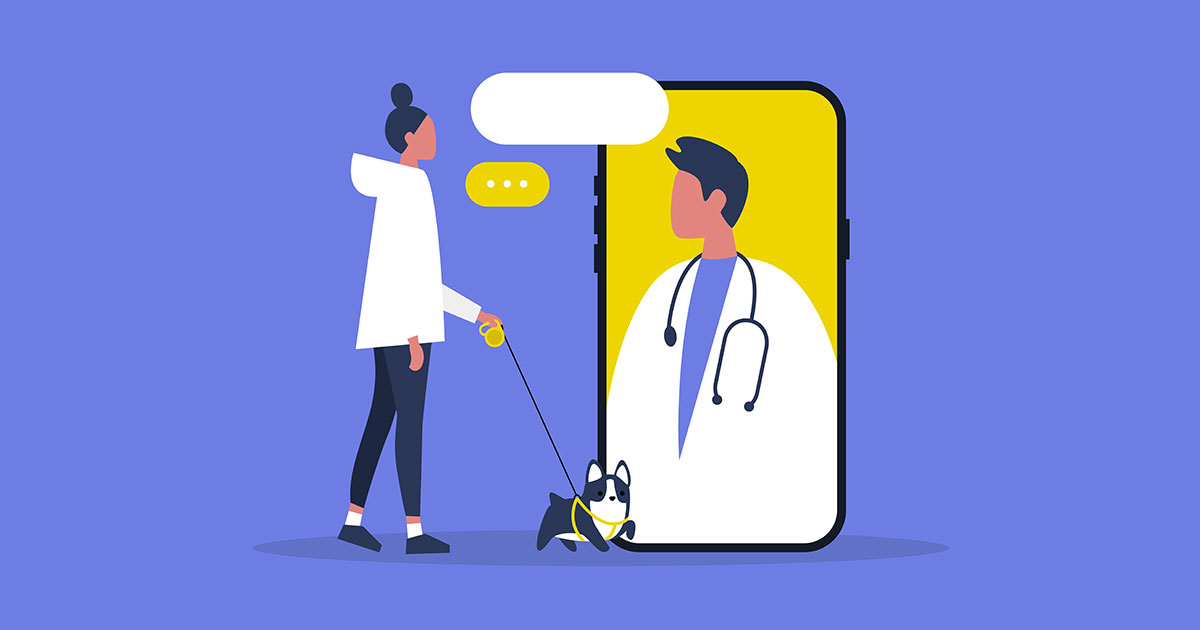
Once your pet is an established patient, some states allow veterinarians and technicians to use telehealth for specific appointment types, which means you may be able to show your team, in real time, precisely what’s concerning you, like skin irritation or a mild limp, allowing them to help you decide whether an in-office appointment is needed.
Too much of a good thing
Keep in mind that sharing data from your pet’s tracker, smart feeder, or other tech-enabled device has the potential to be useful to your veterinary team, but you’ll need to discuss what kind of data they want, along with how often they want it.
In some instances, they may prefer to look at data over time to identify long-term trends, while in others, daily or weekly fluctuations could provide important insights into your pet’s health.
The bottom line is that technology plays an important role in the veterinarian-client-patient relationship, just so long as you understand both the potential benefits and pitfalls.
