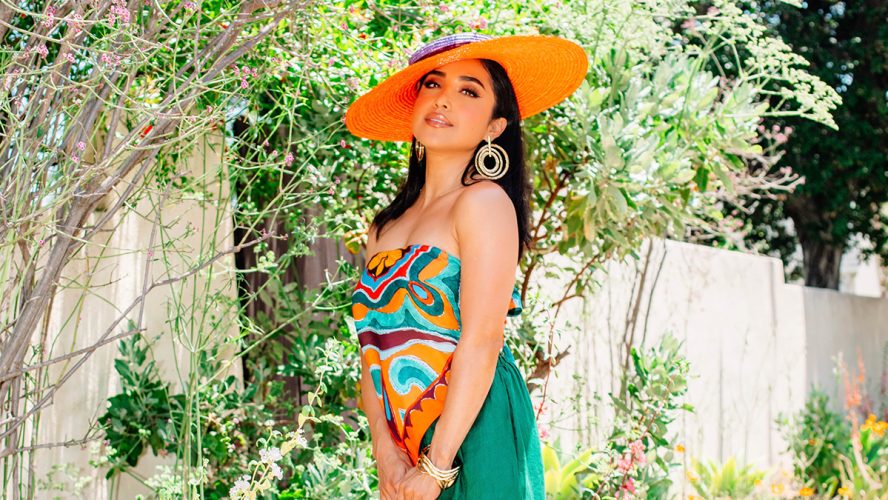
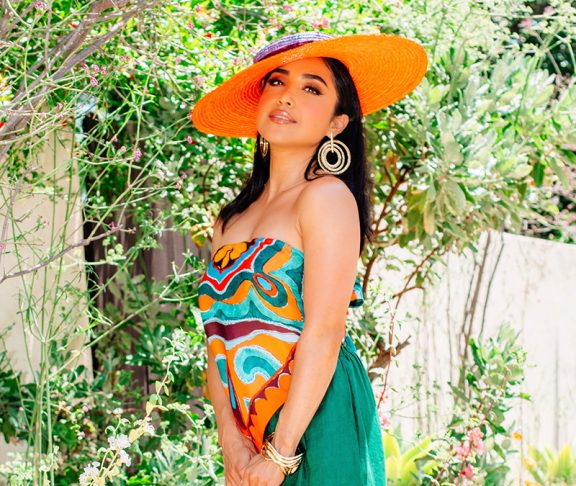
Building a sense of community after the military can be daunting. That’s where Dulce Candy has found her place as not only an Iraq War Vet but a mom, wife, immigrant, entrepreneur, and published author.
Your journey from serving in the United States Army to becoming a leading digital creator is incredibly inspiring. What was the hardest part of reestablishing your identity after leaving the military, and what types of support or resources helped you move forward?
Honestly, the hardest part was figuring out who I was without the uniform. In the military, your identity is very clear, your role, your structure, your sense of purpose. When that ends, it can feel like the ground drops out from under you. I remember thinking, “Okay… now what? Who am I now?”
What helped me move forward was giving myself permission to evolve. Therapy helped, education benefits helped — but so did creativity. Creating content became a way for me to reconnect with myself and serve people in a new way. Over time, I realized I didn’t need to erase my military identity to move forward, I just needed to let it become one chapter of a much bigger story.
You’ve been open about your healing journey and mental health. What obstacles did you face when seeking support, and what solutions or tools do you wish more veterans knew they had access to?
One of the biggest obstacles was feeling like I should be able to handle everything on my own. There’s this unspoken pressure, especially in the military, to be strong, to push through, to minimize what you’re feeling. I told myself for a long time that other people had it worse, so I didn’t deserve help.
I also didn’t always know what resources were available or how to even start. The system can feel overwhelming when you’re already struggling.
I wish more veterans knew that healing doesn’t have to look one specific way. Therapy is important, yes, but so is learning how to regulate your nervous system, move your body, breathe, slow down, and reconnect with yourself. Meditation, mindfulness, and holistic practices played a huge role in my healing, and I didn’t discover those until much later. Veterans deserve access to all forms of support and the reminder that asking for help is a strength not a weakness.
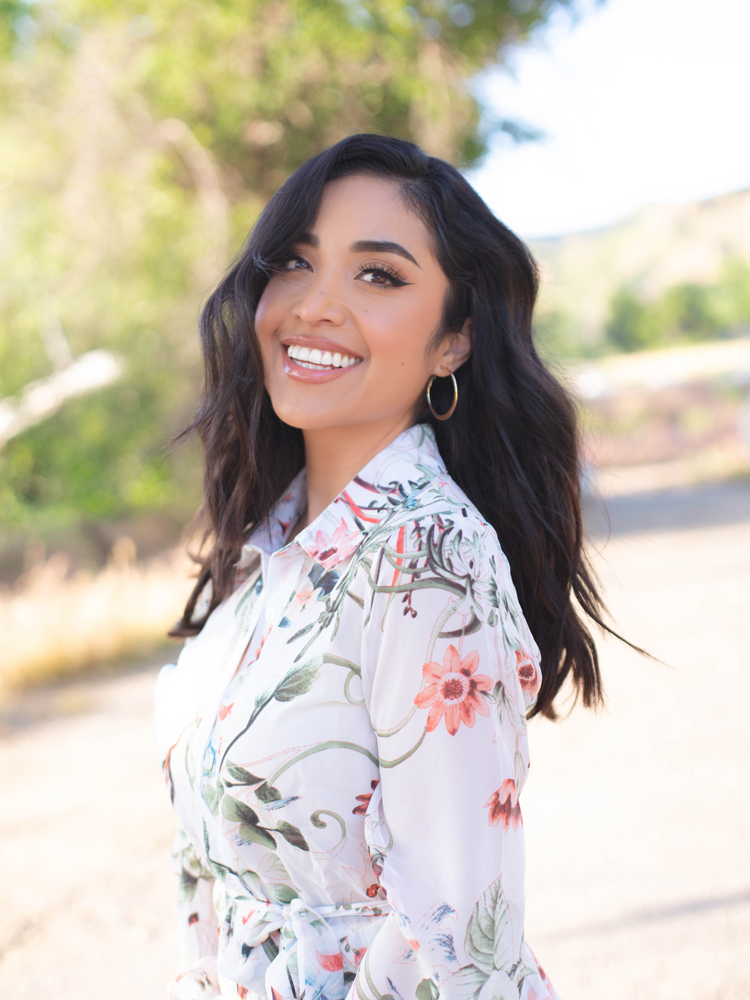
As a woman veteran who has built a platform based on honesty and empowerment, what challenges did you face that you feel aren’t discussed enough, and how can organizations better support women transitioning out of the military?
I don’t think we talk enough about how invisible women veterans can feel once they leave the military. There’s often a very specific image people have of what a “veteran” looks like, and many women don’t see themselves reflected in that narrative. People are still shocked when I tell them I served.
There’s also the emotional weight women carry, balancing family, identity shifts, healing, and expectations to hold it all together. That transition can feel incredibly isolating.
Organizations can do better by creating spaces specifically for women veterans, spaces that feel safe, supportive, and human. We need mentorship, trauma-informed care, and resources that acknowledge the whole person, not just their resume. Supporting women veterans means listening to their experiences and meeting them where they actually are.
When you separated from the military, what were some of the biggest financial, educational, or career hurdles you encountered, and which resources or programs made a meaningful difference in helping you build stability?
The uncertainty was probably the hardest part. Losing a steady paycheck and clear career path can feel scary. I also struggled with translating my military experience into something the civilian world understood. I knew I had leadership skills, discipline, and resilience, but I didn’t always know how to communicate that.
Education benefits like the GI Bill were incredibly helpful, but self-education was just as important. Learning how to build something on my own, manage finances, and think long-term changed everything for me. What made the biggest difference wasn’t one single program, it was learning how to advocate for myself and trust that I could build stability step by step.
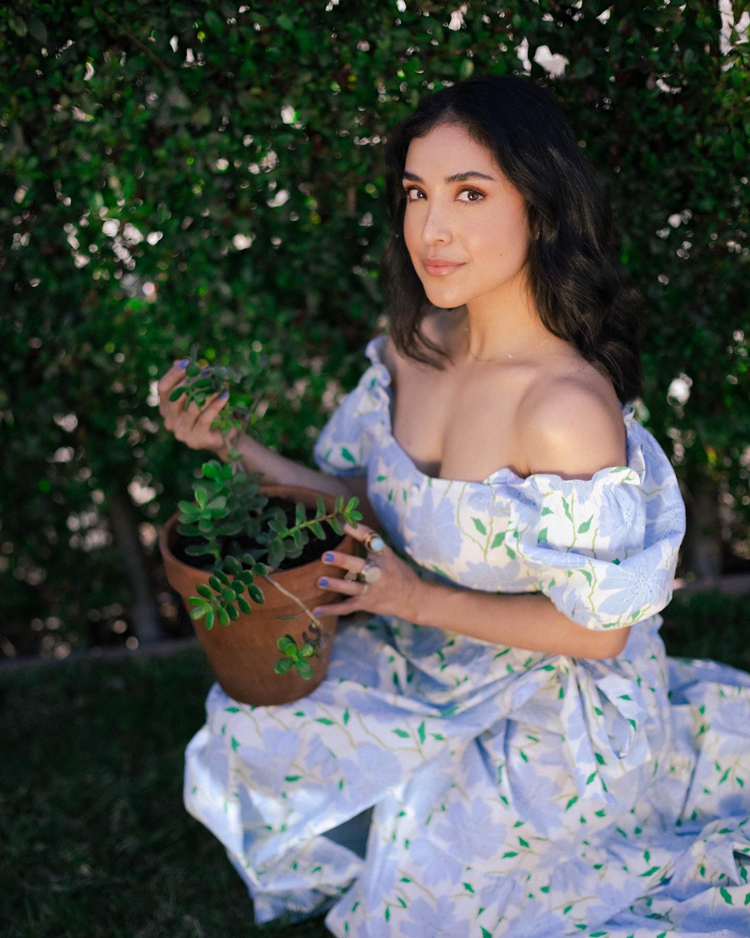
Community has become such a central part of your work. What helped you rebuild a sense of connection after the military, and what kinds of community-focused platforms or veteran-support services do you believe can make the biggest impact today?
Community came back into my life slowly. I found it through creativity, wellness, and honest conversations. I stopped pretending I had everything figured out and allowed myself to be seen in the process.
I really believe the most impactful veteran support spaces are the ones that focus on connection, not just resources. Veterans don’t just need information; we need belonging. Spaces that prioritize safety, mentorship, shared experiences, and emotional support make the biggest difference.
When people feel seen and supported, healing happens naturally. That’s what I try to create now, spaces where people can slow down, reconnect with themselves, and remember that their life and purpose don’t end when the uniform comes off.
