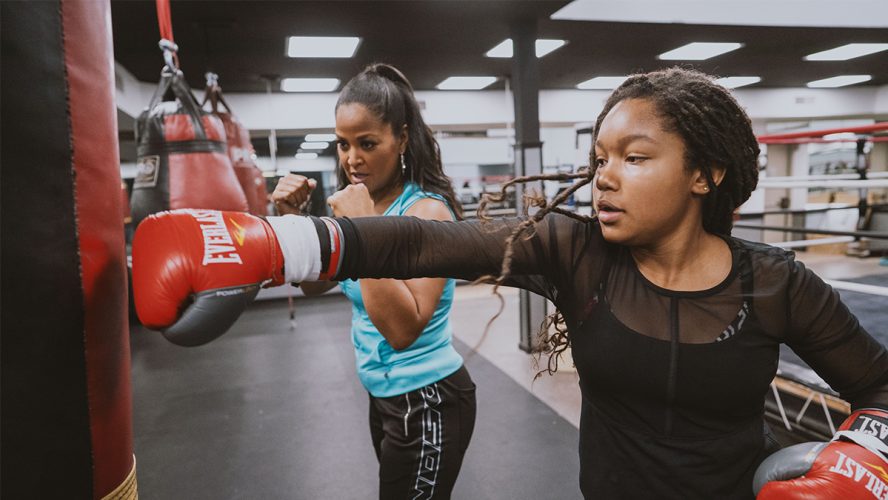
Sportsmanship fosters future leaders by confronting experiences like collaboration and learning from failure. Women in sports often cite that these formative character- and intellect-building skills continue to serve them throughout life.

Danette Leighton
CEO, Women’s Sports Foundation
For too long, sports have been treated as a nice-to-have — something we watch for entertainment, celebrate during championships, and applaud when medals are won. But for millions of girls and young women across the country, sport is far more than a game. It is a powerful driver of health, leadership, and economic opportunity, making it one of the most effective tools for shaping a sustainable future for us all.
The evidence is clear. Girls who play sports experience better physical and mental health outcomes, including lower rates of anxiety and depression, and improved overall well-being. Research from the Women’s Sports Foundation shows that rates of mental health disorders are 1.5 to 2.5 times lower among girls who play sports compared to those who have never played. As young women face a growing mental health crisis and declining physical activity levels, access to sport is essential to their health and well-being.
Strengthening the body and mind
Health is not the only powerful outcome of sport participation. Sport is one of the earliest and most effective environments for developing leadership skills. It teaches girls how to communicate under pressure, collaborate toward shared goals, and learn from failure. In the Women’s Sports Foundation’s Play to Lead study, women consistently credit these formative experiences with shaping their confidence, decision-making, and ability to lead long after the game ends.
This is why youth sports are not extracurricular, they are economic infrastructure fueling workforce participation, leadership attainment, and long-term earning potential across generations. When girls have access to sport, leadership pipelines expand across every sector of the economy. When access is limited by cost, safety concerns, or lack of opportunity, talent is sidelined before it can fully develop, which weakens our workforce and undermines economic competitiveness.
The next generation is now
Therefore, how we value sports matters. When girls’ sports are undervalued and underinvested in, access to a proven driver of health, leadership, and economic stability is restricted. Failing to invest in girls’ sports does not just shortchange individual potential, it weakens communities, shrinks leadership talent pools, and undermines our shared future.
This Women’s History Month, the call to action is one we can all answer. Research from the Women’s Sports Foundation shows that encouragement makes or breaks participation, and girls with supportive adults, including parents, coaches, and mentors are far more likely to stay in sport. Keeping girls in the game starts with consistent support and visible belief in their potential.
When girls are empowered to play, they gain the confidence and skills to lead — and that leadership strengthens the future for all of us.
