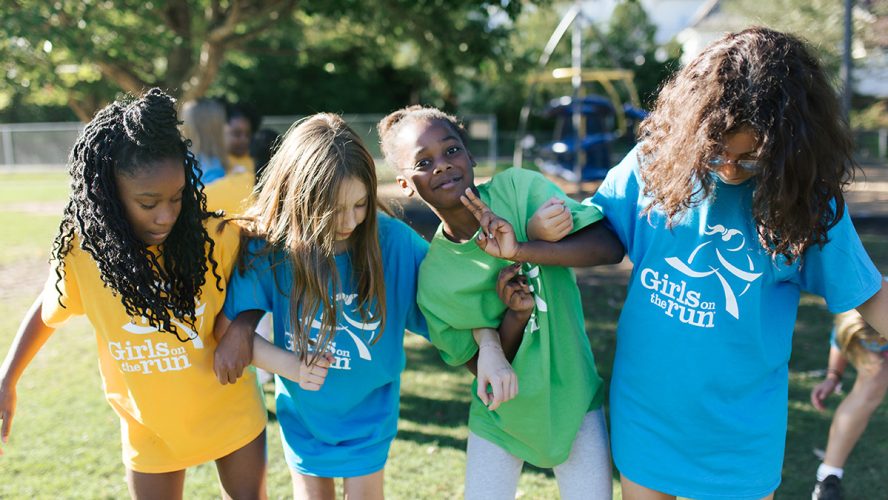
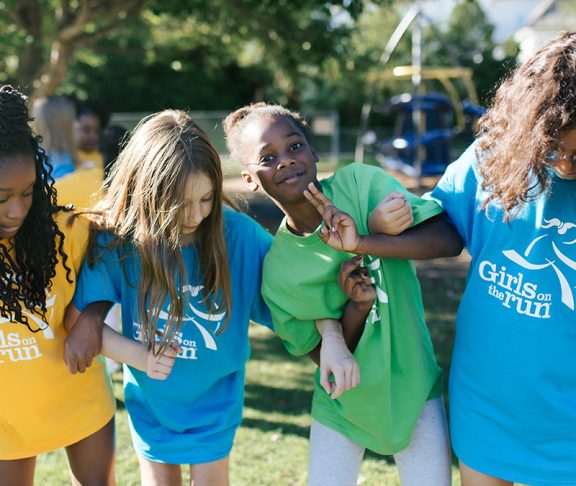
For girls navigating growing pressure and stress, physical activity can be transformative, but how it is approached determines whether girls thrive or step away.

Elizabeth Kunz
CEO, Girls on the Run International
Across the United States, girls are facing rising emotional and physical health challenges without enough support to match. Confidence is slipping, stress is growing, and many girls move through their days feeling anxious, isolated, and unsure of themselves. While decades of research demonstrate the benefits of physical activity for girls’ well-being, only 16% of girls ages six-17 meet the daily guideline of 60 minutes of physical activity, with participation declining throughout adolescence.
The good news is that these trends can be reversed, particularly when girls participate in intentionally designed physical activity programs that build confidence, deepen connection, and allow them to practice skills they can carry into school, home, and friendships.

Safety is key to confidence
Research shows that when physical activity and sports settings emphasize effort and personal improvement over comparison to others, and give girls a voice, they are more likely to be mentally and physically healthy, have greater confidence, and experience a deeper sense of belonging. In these environments, girls feel safe enough to try, learn, and improve.
Yet many girls never experience physical activity programs intentionally designed to support their development and overall well-being. As they grow older, pressures surrounding body image, peer comparison, and performance can make it harder to feel confident and competent. When environments do not prioritize learning, social connection, and emotional support, girls are less likely to stay engaged, even when they enjoy being active. In climates that feel intimidating or exclusionary, many step away from physical activities and sports altogether.
Whole health includes inner strength
At Girls on the Run, we design programs that meet what girls in the third through eighth grades tell us they need. As a physical activity-based, positive youth development program, we blend physical activity with lessons that build confidence, connection, and character. Trained volunteer coaches help build community, foster friendships, and create space to talk about what matters. Ninety-five percent of girls in the program report feeling more confident and 97% say they learned life skills like managing emotions, resolving conflicts, and making intentional decisions.
Physical activity alone will not solve every challenge girls face, but ignoring its power is a serious mistake. Sports and physical activities, when done with intention and facilitated by trained coaches, provide powerful support for girls’ well-being in communities across the country. As girls build confidence, develop social-emotional skills, and learn to trust their voices through positive physical activity experiences, they carry these strengths into their everyday lives. That is why thoughtfully designed, relationship-rich programs matter for all girls, and why expanding access to joyful, supportive experiences must be a shared priority.
